
Mobility-Aware Morocco Travel: Planning Private Tours with Less Walking
Morocco can be deeply rewarding for travelers who use a wheelchair, walking aid, or simply need a slower pace, but comfort depends on honest planning. Historic medinas were not built around modern accessibility standards. Uneven paving, steps, slopes, narrow lanes, crowds, and vehicle restrictions can change what a practical day looks like.
The answer is not to remove every historic place from the itinerary. It is to identify the barriers before arrival, choose the right vehicle and hotels, and decide which experiences can be adapted without promising access that has not been verified.
Describe the traveler's real needs
“Limited mobility” is too broad for useful planning. Explain comfortable walking distance, step tolerance, balance, pace, whether the traveler can transfer into a vehicle seat, and the type, dimensions, and weight of any wheelchair or scooter. Include whether equipment folds and whether assistance is needed on slopes or uneven ground.
Also share non-visible needs that affect the day: fatigue, chronic pain, hearing or vision, heat sensitivity, or the need for frequent toilets and rest. This information should be handled respectfully and shared only with the people who need it to deliver the trip.
Understand why medinas need a separate plan
UNESCO describes the Medina of Fes as a remarkably intact historic urban fabric with unpaved space and dense traditional settlement. Its value comes partly from the very structure that makes modern access difficult. UNESCO similarly describes Marrakech as a living historic city with a tangle of lanes, houses, souks, and traditional activity.
Vehicles cannot reach every riad, monument, shop, or restaurant inside these areas. The route should therefore identify the nearest practical drop-off, surface conditions, steps, rest points, and an alternative if the final approach is not manageable.
Use the vehicle as part of the accessibility plan
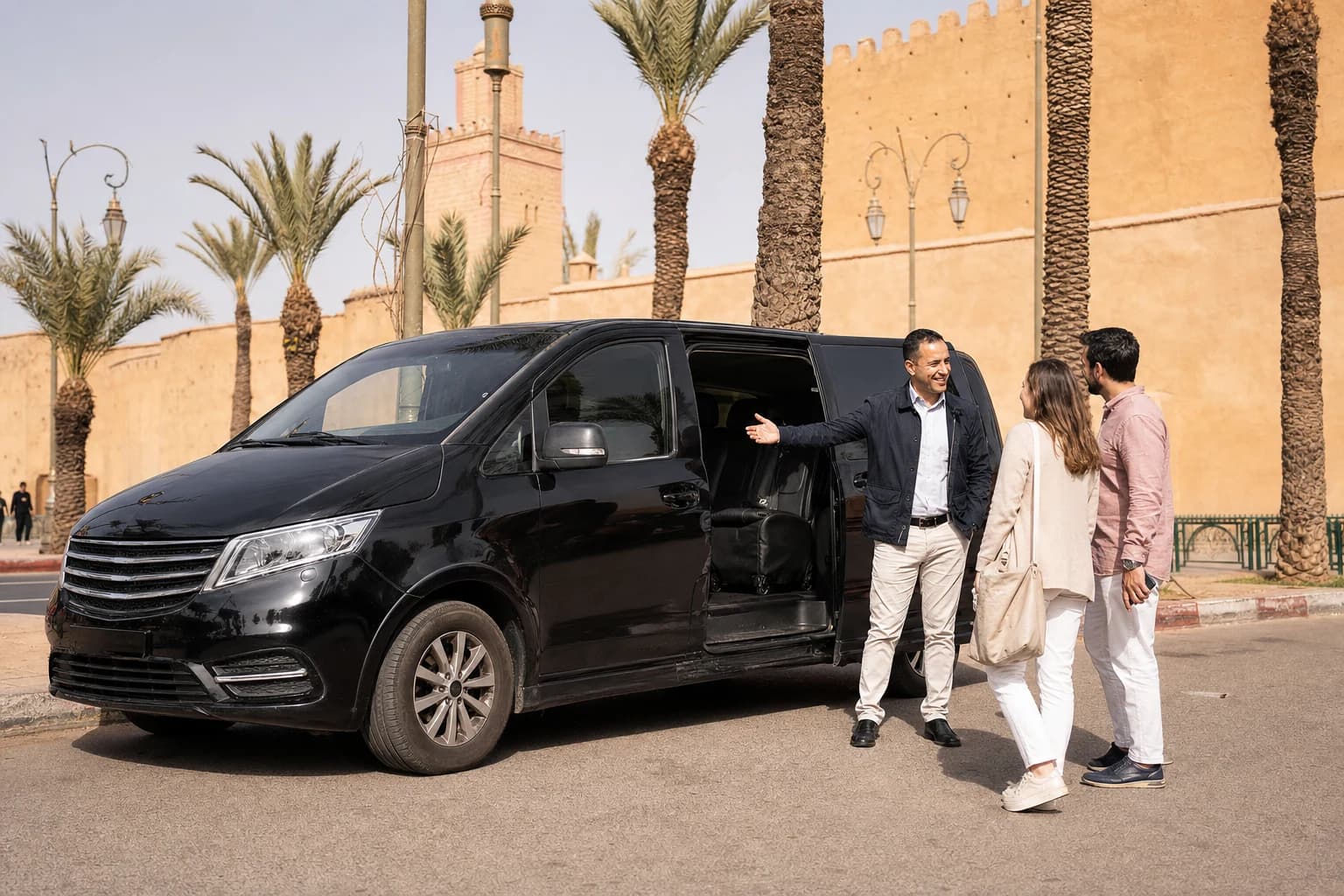
A private vehicle can shorten walking, hold mobility equipment, provide climate-controlled rest, and reposition between neighborhoods. Confirm door height, step-in height, seat layout, luggage capacity, and whether the equipment fits without blocking safe passenger movement.
A standard van is not automatically wheelchair accessible. If a lift, ramp, restraint system, or fully accessible vehicle is required, request it explicitly and obtain confirmation of the exact setup.
Ask hotels precise questions
- Is there step-free access from the street to reception and the room?
- Does the lift reach every required floor, and what are its door and cabin dimensions?
- Is the shower roll-in, or does it have a raised threshold?
- Are grab rails fixed in the necessary positions?
- How much clear space is available beside the bed and toilet?
- Can the vehicle stop directly at the entrance?
- If the property is a riad, how many steps lie between the nearest vehicle access and the room?
Request current photographs or measurements when a feature is essential. Labels such as accessible, ground floor, or easy access can mean different things in different properties.
Build shorter, more deliberate days
Choose fewer sites and protect time for rest, meals, toilets, and transfers. Place the most important visit at the point in the day when the traveler has the most energy. Avoid combining a long road transfer with an ambitious walking tour immediately after arrival.
In cities such as Casablanca and Rabat, wider roads and vehicle-based sightseeing can create easier days, although individual entrances still need checking. Fes and Marrakech often require more walking decisions. Coastal or scenic drives can provide variety without making every day physically demanding.
Arrange airport assistance separately
Ask the airline for assistance as early as possible and confirm it again before travel. Airport assistance and the private tour transfer are separate services, so the meeting point between them needs to be clear. Morocco's airport authority states that Marrakech Menara Airport has ramps and dedicated lifts for passengers with reduced mobility and that airport and handling staff are available to assist; arrangements at the actual arrival airport should still be confirmed for the specific journey.
Keep an alternative for every essential experience
If a synagogue, museum, restaurant, or historic house cannot be reached safely, the day should still have purpose. A panoramic route, accessible museum, adapted market stop, meeting with a guide in an easier setting, or different neighborhood can preserve the theme without forcing an unsafe approach.
Accessibility information can change, and no route is identical for every traveler. The best plan is specific, verified close to travel, and honest about tradeoffs. That clarity allows the traveler to focus on Morocco rather than negotiating preventable obstacles all day.
Browse our private Morocco tours or send your mobility and vehicle requirements before the itinerary is confirmed.
Planning references
Keep Reading
Related articles
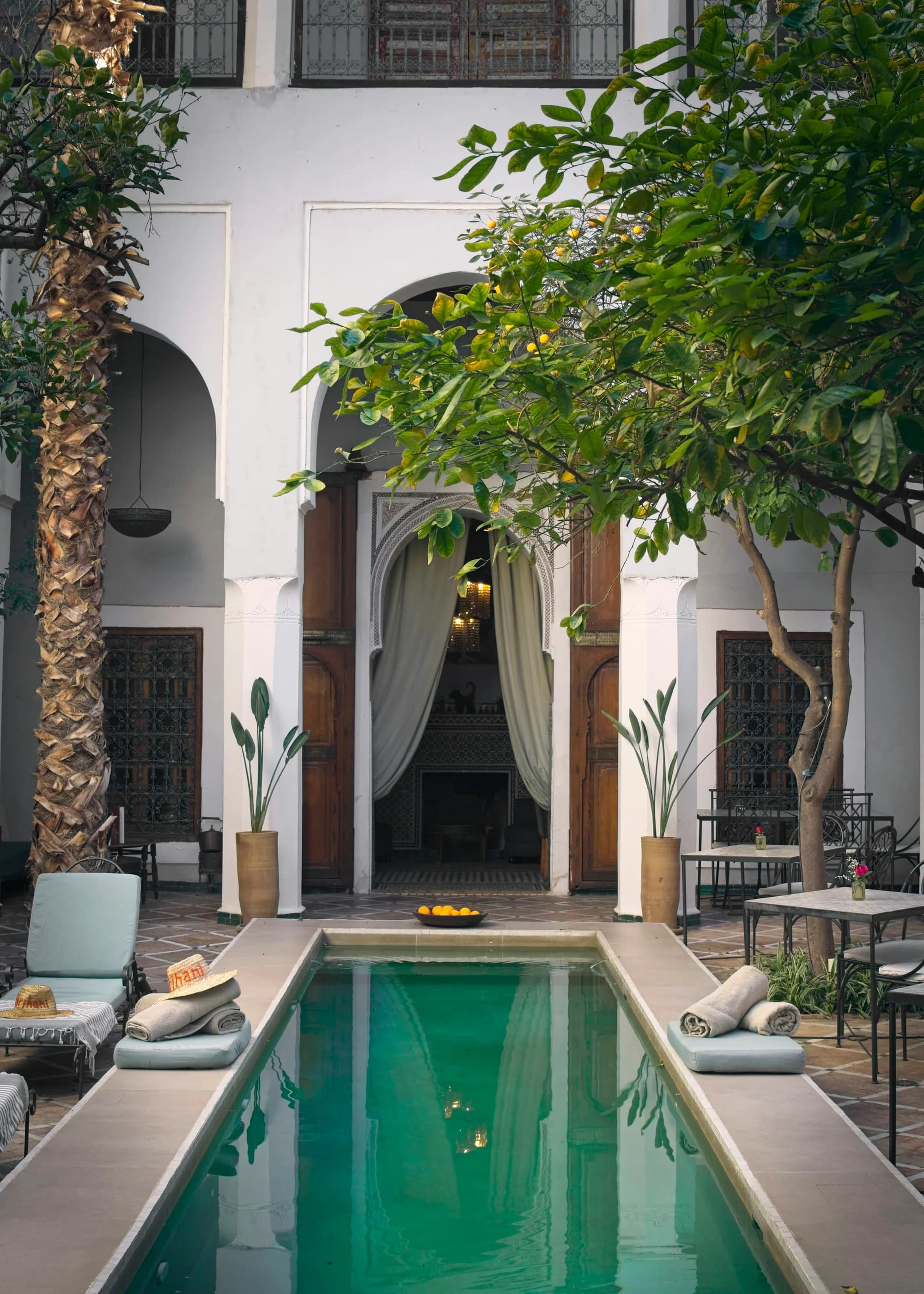
How to Explore Morocco's Medinas Without Rushing
Understand how Morocco's medinas work, when a guide helps, what to expect in the souks, and how to explore living historic neighborhoods respectfully.
Read Article
Best Time to Visit Morocco: Plan by Region, Not One Forecast
Choose when to visit Morocco by matching the season to the Atlantic coast, imperial cities, Atlas Mountains, and desert route you actually want.
Read Article
Casablanca Before or After a Group Tour: How to Use an Extra Day Well
Turn a free half-day, full day, layover, or extra night in Casablanca into a private experience that fits around your confirmed group itinerary.
Read Article