
Preparing your journey…
More to discover
Explore Morocco
Quick access to inspiration, services and trip planning.
Preparing your journey…
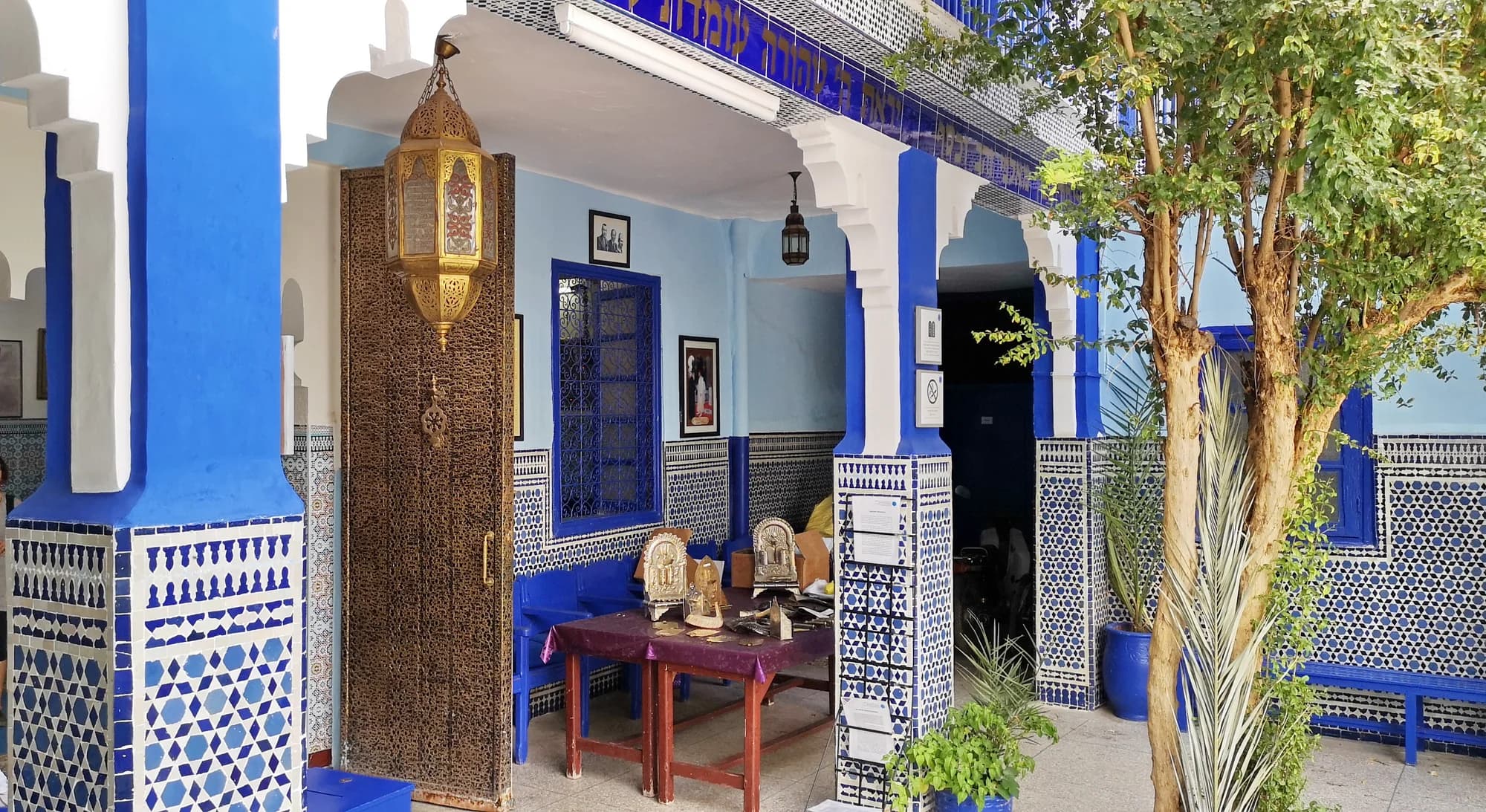
The Complete Guide
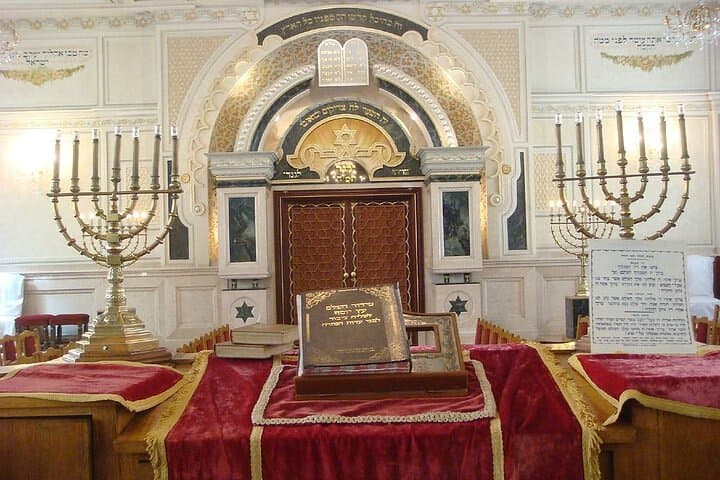
2,000 years of history. From ancient synagogues and historic mellahs to the only Jewish museum in the Arab world — discover the extraordinary Jewish heritage of Morocco with a licensed specialist guide.
Photo: TomiValny · CC BY-SA 4.0 · adapted
The Complete Guide
Morocco is home to one of the oldest and most remarkable Jewish communities in the world. For nearly two millennia, Jewish life has been woven into the fabric of Moroccan society — from the ancient Roman-era settlements in Volubilis and Tangier to the thriving Sephardic communities that flourished after 1492.
At its peak in the mid-20th century, Morocco was home to approximately 250,000 Jews— the largest Jewish community in the Muslim world. The legacy of this extraordinary community is preserved in the country's synagogues, mellahs (Jewish quarters), cemeteries, museums, and the living traditions of the Jewish families who remain.
Morocco has undertaken royal and state-supported programs to preserve Jewish heritage sites, and the 2011 constitution recognizes the Hebraic tributary within the country's national identity. Morocco also retains a living Jewish community, restored synagogues, and the Museum of Moroccan Judaism in Casablanca.
This guide is written by Abdellatif ABADA, a licensed Moroccan tour guide based in Casablanca specializing in Jewish heritage tours. He holds a Master's degree from ISITT (Institut Supérieur International du Tourisme de Tanger) and studied with support from the Mimouna Association — the Moroccan NGO preserving Jewish-Moroccan heritage. As a Muslim guide who chose this path early on, he brings a perspective that visitors rarely expect and always remember.
By the Numbers
Heritage Sites
From the only Jewish museum in the Arab world to ancient synagogues hidden in medieval medinas, these are the sites that tell the story of Jewish Morocco.
 Casablanca
The only Jewish museum in the Arab world. Located in Casablanca's Oasis neighborhood, this 700-square-meter museum houses an extraordinary collection of Moroccan Jewish ritual objects, photographs, documents, and community artifacts spanning centuries of Jewish life in Morocco.
Explore Casablanca Fes
FesOne of the finest 17th-century synagogues in North Africa, carefully restored to its former glory. Located in the Fes Mellah, this synagogue features stunning tilework, ornate wooden ceilings, and a Genizah containing ancient Hebrew manuscripts.
Explore Fes Marrakech
Also known as Lazama or Salat al-Azama, this synagogue and Talmud Torah complex stands in the Marrakech Mellah. Its courtyard and community spaces preserve an important part of the city's Jewish history.
Explore MarrakechThe Mellah
The mellah(Arabic for "salt") was the designated Jewish quarter in Moroccan cities. Unlike European ghettos, mellahs were often prosperous neighborhoods where Jewish families lived in distinctive houses with ornate balconied facades — a style unique to Moroccan Jewish architecture.
The first formally designated mellah is generally dated to Fes in the 1430s. Mellahs changed over time and served residential, commercial, religious, administrative, and security functions; their history cannot be reduced to a single purpose.
Within the mellah, Jewish communities built synagogues, schools (yeshivot), ritual baths (mikva'ot), bakeries, and markets. The mellah was a self-contained world, where Jewish law governed daily life alongside the broader Moroccan society.
Generally described as Morocco's first formally designated mellah. Distinctive balconied houses line its streets.
Located adjacent to the Royal Palace. At its peak, Jews comprised a very significant portion of Marrakech's population.
Under Sultan Moulay Ismail. Historic streets still bear Jewish names from centuries past.
A coastal mellah serving a thriving Sephardic trading community connected to European commerce.
Known as 'The Mother of Israel' for its influential Jewish community, formally established in the early 19th century.
Through the Ages
A timeline of Jewish life in Morocco — from ancient settlements to modern preservation.
The exact beginning is difficult to date, but Jewish communities were present in the territory of modern Morocco before the Muslim conquest. Traditions and archaeological evidence connect Jewish life in the region with antiquity.
Following the Alhambra Decree expelling Jews from Spain, tens of thousands of Sephardic families find refuge in Morocco. They bring their language (Haketia), customs, and traditions, settling in cities across the kingdom.
Moroccan rulers establish designated Jewish quarters, beginning with the Fes mellah in the 1430s and followed by Marrakech and other cities. These districts become centers of Jewish life, trade, worship, and scholarship.
Morocco becomes home to the largest Jewish community in the Muslim world. Great synagogues are built, rabbinical dynasties flourish, and Jewish artisans, merchants, and diplomats play vital roles in Moroccan society.
During World War II, Vichy authorities imposed discriminatory laws in Morocco. Sultan Mohammed V is remembered for opposing anti-Jewish discrimination and affirming the protection of his Jewish subjects; the famous quotation attributed to him belongs to a widely shared national account rather than a verified verbatim record.
Following the creation of Israel and political upheaval, the majority of Morocco's 250,000 Jews emigrate. The great mellahs empty, but synagogues, cemeteries, and sacred sites remain as enduring testaments to this extraordinary community.
The only Jewish museum in the Arab world opens in Casablanca's Oasis neighborhood, housing centuries of Moroccan Jewish ritual objects, photographs, and community artifacts in a 700-square-meter exhibition space.
King Mohammed VI personally funds synagogue restorations. Morocco's constitution recognizes Jewish heritage as part of the national identity. A small but living Jewish community remains.
Synagogue Guide
From grand Moorish Revival temples to intimate neighborhood synagogues, Morocco's Jewish houses of worship span centuries of architectural beauty and spiritual devotion.
Casablanca's main synagogue, established in 1949 by Algerian Jewish immigrants in a striking Moorish-Byzantine style. Its stained glass windows and ornate interior make it one of Morocco's most beautiful synagogues.
A beautifully restored synagogue in the heart of the old mellah, known for its intimate atmosphere and historical significance to the Casablanca Jewish community.
A masterpiece of Moroccan-Jewish architecture, this 17th-century synagogue was meticulously restored by the Moroccan government and the World Monuments Fund.
One of the oldest synagogues in the Fes Mellah, reflecting the deep roots of Jewish scholarship in Morocco's spiritual capital.
Also called Lazama or Salat al-Azama, this synagogue and Talmud Torah complex preserves the religious and community history of the Marrakech Mellah. Access and service schedules should be confirmed in advance.
A pilgrimage site for Moroccan Jews worldwide, this synagogue honors the legacy of the revered Moroccan rabbi whose tomb attracts visitors year-round.
Recently restored, this synagogue is part of the Bayt Dakira cultural complex celebrating Essaouira's rich Jewish trading heritage.
A stunning 19th-century synagogue with Moorish Revival architecture, reflecting Tangier's cosmopolitan past as an international zone.
Named after the famous rabbinical work by Rabbi Chaim ben Moses Attar, born in Salé, this synagogue represents Tangier's Sephardic heritage.
A modest but historically significant synagogue serving the small Jewish community that remains in Morocco's capital city.
Part of the historic Meknes Mellah, this synagogue reflects the city's once-thriving Jewish community under Sultan Moulay Ismail.
Living Traditions
Celebrated the day after Passover, Mimouna marks the return to eating chametz (leavened bread). In Morocco, it was traditionally a Muslim-Jewish celebration — Muslim neighbors would visit Jewish homes to share in moufleta (a layered pastry), sweets, and festivities. This beautiful tradition embodied the spirit of interfaith coexistence that defined Moroccan society.
Celebrated on Lag BaOmer (the 33rd day of the Omer count, typically in April or May), thousands of Moroccan Jews return from Israel, France, and around the world to celebrate the hiloula (pilgrimage) of Rabbi Amram Ben Diwan in the northern town of Ouezzane. The multi-day festival includes communal prayers at the rabbi's tomb, traditional Moroccan-Jewish cuisine, music, and the reading of the rabbi's writings.
For centuries, the rhythms of Shabbat shaped life in Morocco's Jewish communities. Some congregations continue to hold services, but schedules, security procedures, and visitor attendance rules vary. Participation must always be confirmed respectfully with the congregation in advance.
Practical Guide
Morocco accommodates Jewish travelers with varying levels of observance. Casablanca is the center of kosher dining, with several kosher restaurants and bakeries serving the city's remaining Jewish community. Traditional Moroccan-Jewish cuisine includes dafina (slow-cooked Sabbath stew) and couscous.
For travelers observing Shabbat, kosher-friendly accommodations can be arranged in Casablanca, Marrakech, and Fes. Your guide can help coordinate Shabbat timing, synagogue services, and suitable dining options throughout your journey.
Outside Casablanca, kosher options become more limited, but with advance planning, kosher meals can be arranged in most major cities. A specialist guide ensures that dietary requirements are seamlessly integrated into your travel itinerary.
Casablanca
Multiple kosher restaurants
Marrakech
Kosher options arranged in advance
Fes
Kosher meals with advance notice
Essaouira
Limited, but arrangements possible
Other Cities
Guide coordinates suitable meals
Your Guide
Expertise, authenticity, and personal insight — the difference a specialist makes.
Advanced academic studies in Jewish Heritage. Not just a guide — a scholar who brings depth, context, and scholarly interpretation to every site.
Trusted by Jewish travelers, families tracing roots, synagogue groups, and educational organizations from the USA, Canada, Israel, and Europe.
Fully licensed Moroccan tour guide with years of experience leading Jewish heritage tours across all major cities and regions of Morocco.
Heritage Tours
Private, expert-led tours designed to explore Morocco's extraordinary Jewish heritage — from Casablanca's synagogues to the ancient mellahs of Fes and Marrakech.
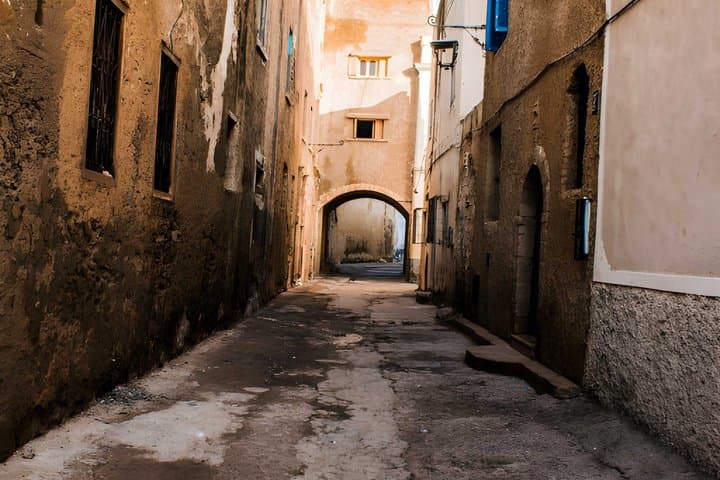
Discover Casablanca's rich Jewish heritage on an exclusive 6-hour private tour designed for travelers seeking to explore their Moroccan Jewish roots, family history, and cultural identity. Personally Guided by Abdellatif ABADA — Founder of Typically Morocco Tours Your guide is Abdellatif ABADA, founder of Typically Morocco Tours, with over 20 years of experience and a Master's degree in Moroccan heritage. Rated 4.9★ on TripAdvisor with more than 90 verified reviews, Abdellatif brings exceptional local knowledge, academic expertise, and a personal approach to every experience. His tours have also earned Viator's "Likely to Sell Out" badge, reflecting strong traveler interest. Every tour is personally guided by Abdellatif himself — never a substitute guide. You'll benefit from his firsthand expertise, historical insights, and dedication to creating an authentic and meaningful journey. Explore Casablanca's Jewish Heritage Accompanied by Abdellatif and a private driver, visit the Museum of Moroccan Judaism, explore the historic Rue El Mellah Jewish quarter, and discover Temple Beth-El and another historic synagogue. Learn about centuries of Jewish life in Morocco, religious traditions, and the shared cultural heritage of Jewish and Muslim communities. Discover Your Family Roots This personalized experience includes preliminary family genealogy research to help uncover ancestral connections, family names, and historical records. At the Casablanca Old Jewish Cemetery, take part in a meaningful traditional stone-placing ceremony honoring past generations. Enjoy a Seamless Private Experience Travel comfortably in a private air-conditioned vehicle, with entrance fees to scheduled attractions and convenient pickup and drop-off from your Casablanca hotel or cruise terminal. At the end of your experience, receive a personalized heritage summary document commemorating your journey into Moroccan Jewish history. Ideal for Jewish heritage travelers, families tracing their ancestry, multigenerational groups, and cruise passengers seeking a meaningful and authentic cultural experience in Casablanca. More than a sightseeing tour, this is a personal journey through history, heritage, and family roots — guided by someone who has dedicated over two decades to sharing Morocco's cultural legacy.
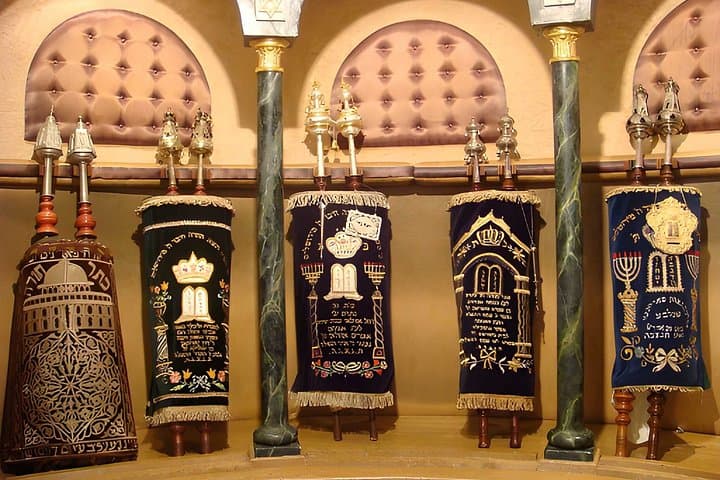
Discover Casablanca's rich Jewish history on an exclusive 5-hour private heritage tour with an authentic kosher Moroccan lunch. Explore the beautiful Temple Beth-El, Museum of Moroccan Judaism, historic Rue El Mellah, traditional synagogues, and Casablanca's Old Jewish Cemetery. Complete your cultural journey with a delicious kosher lunch at Le Chandelier Restaurant. Personally Guided by Abdellatif ABADA — Founder of Typically Morocco Tours Experience Morocco's Jewish heritage with Abdellatif ABADA, a passionate heritage expert with a Master's degree in Moroccan heritage and over 20 years of guiding experience. Rated 4.9★ on TripAdvisor with 90+ verified reviews, his tours have also received Viator's "Likely to Sell Out" badge. Every tour is personally guided by Abdellatif himself — never a substitute guide. Enjoy private air-conditioned transportation, a professional driver, bottled water, a traditional kosher lunch, and convenient Casablanca cruise terminal pickup. Your itinerary is carefully adapted to your ship's schedule, with guaranteed return before all-aboard time. Experience Casablanca's living Jewish heritage, meaningful traditions, and authentic Moroccan hospitality in one unforgettable private journey.
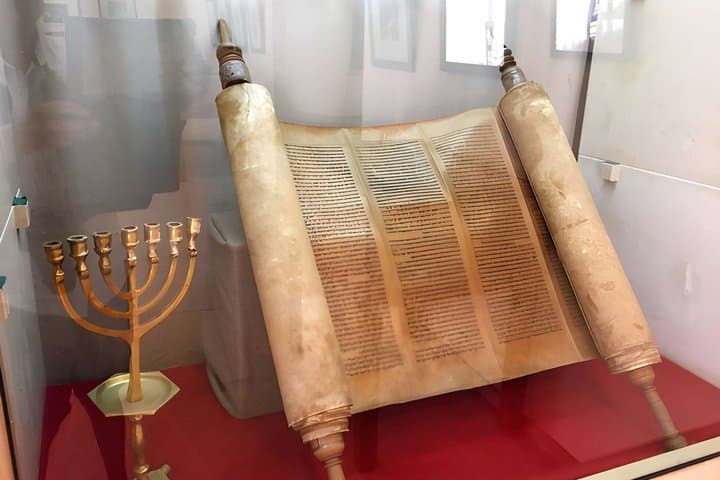
Discover Casablanca's rich Jewish heritage on an exclusive 4-hour private tour exploring centuries of Moroccan Jewish history, culture, and traditions. Visit the beautiful Temple Beth-El, historic synagogues, the Museum of Moroccan Judaism, Rue El Mellah Jewish Quarter, and Casablanca's Old Jewish Cemetery. Personally Guided by Abdellatif ABADA — Founder of Typically Morocco Tours Experience Morocco's fascinating Jewish heritage with Abdellatif ABADA, a heritage expert holding a Master's degree in Moroccan heritage and over 20 years of guiding experience. Rated 4.9★ on TripAdvisor with 90+ reviews, his tours have also earned Viator's "Likely to Sell Out" badge. Every tour is personally guided by Abdellatif himself — never a substitute guide. Enjoy comfortable private air-conditioned transportation, a professional driver, bottled water, and convenient Casablanca cruise terminal pickup. Your itinerary is adapted to your ship's schedule, ensuring a timely return to port. Experience the fascinating history of Morocco's Jewish community through authentic stories, remarkable landmarks, and personalized cultural insights.
Discover Casablanca’s Jewish heritage on a private 4-hour cultural tour with a licensed professional guide. This experience focuses on the city’s Jewish history, synagogues, and museum heritage, including Beth-El Temple, Ettedgui Synagogue, and the Museum of Moroccan Judaism. Learn about Moroccan Jewish culture, Sephardic traditions, and the long history of Jewish-Muslim coexistence in Casablanca. The tour includes coffee and/or tea, a licensed professional multilingual guide, hotel pickup and drop-off from selected locations, air-conditioned transportation, entrance fees to the Jewish Museum and synagogues, bottled water, and lunch. Pickup is available from selected locations, or you may meet directly at United Nations Square in Casablanca.
Common Questions
Morocco has a long Moroccan Jewish history, a living Jewish community, and royal and state-supported heritage preservation. Security conditions, entry requirements, site access, and direct air service can change, so travelers should check current official advice and schedules before planning a trip.
A mellah is a designated Jewish quarter in a Moroccan city. The first formally designated mellah is generally dated to Fes in the 1430s, with later examples in Marrakech, Meknes, Essaouira, and other cities. Their history and legal status varied by period and city, and the precise origin of the word 'mellah' remains debated.
The Museum of Moroccan Judaism (Musée du Judaïsme Marocain) is located in Casablanca's Oasis neighborhood. Opened in 1997 in a building originally built as a Jewish orphanage in 1948, it is the only Jewish museum in the Arab world. The museum houses an extraordinary collection of ritual objects, photographs, documents, and community artifacts spanning centuries of Jewish life in Morocco. It provides a comprehensive overview of Jewish contributions to Moroccan culture and society.
Some synagogues and restored heritage sites receive visitors, while others remain active religious or community spaces with controlled access. Opening times, security procedures, service schedules, and visitor permission can change, so each visit should be confirmed in advance.
Kosher dining options exist primarily in Casablanca, which has several kosher restaurants and bakeries serving the city's remaining Jewish community. For travelers on Jewish heritage tours, kosher meals can be arranged in advance in most major cities. Outside Casablanca, kosher options are more limited, but your guide can help arrange suitable meals.
The Hiloula of Ouezzane is an annual pilgrimage (hiloula) to the tomb of Rabbi Amram Ben Diwan, one of Morocco's most revered rabbis, in the northern town of Ouezzane. Held on Lag BaOmer (the 33rd day of the Omer count, typically in April or May), it attracts thousands of Moroccan Jews who return from Israel, France, and other countries to pray, celebrate, and honor the memory of this beloved spiritual leader. The festival includes communal prayers, traditional meals, music, and the reading of the rabbi's writings.
Jewish presence in Morocco dates back over 2,000 years, to at least the 1st century CE following the destruction of the Second Temple. Archaeological evidence of Jewish communities has been found in ancient cities like Volubilis and Tangier. After the Spanish expulsion of 1492, tens of thousands of Sephardic Jews settled in Morocco, creating one of the largest and most vibrant Jewish communities in the Muslim world. By the mid-20th century, Morocco was home to approximately 250,000 Jews.
Yes, tracing Jewish family roots in Morocco is possible with the help of a specialist guide. Many Jewish families from Morocco have genealogical records, community archives, and synagogue registers that can help trace ancestry. A heritage tour focused on genealogy can include visits to specific mellahs, cemeteries with legible tombstones, community archives, and meetings with local historians who specialize in Jewish genealogy.
Spring (March-May) and autumn (September-November) offer the most pleasant temperatures for touring. The Hiloula of Ouezzane on Lag BaOmer (typically April or May) is a unique opportunity to experience a living Jewish pilgrimage. Winter is mild and suitable for heritage tours, while summer can be warm, especially in Fes and Marrakech. The Mimouna festival, celebrated after Passover, is another excellent time to experience Jewish culture in Morocco.
Mimouna is a traditional Moroccan Jewish celebration held the day after Passover ends. It marks the return to eating chametz (leavened bread) and is celebrated with special pastries (moufleta), sweets, and communal festivities. In Morocco, Mimouna was traditionally a Muslim-Jewish celebration, with Muslim neighbors visiting Jewish homes to share in the festivities — a beautiful example of the interfaith coexistence that characterized Moroccan society.
Plan Your Journey
Tell us your dates, group size, and interests. We'll craft a personalized heritage itinerary and send you a detailed proposal within 24 hours.
This opens WhatsApp with your message ready to send.