

Jewish Heritage in Fes: A Thoughtful Guide to the Mellah and Synagogues
Fes is one of the most important places for understanding Jewish life in Morocco. Its story is not confined to one monument. It is visible in the relationship between Fes el-Jdid, the royal palace, the Mellah, synagogues, the cemetery, and the wider medina that connected communities through trade, scholarship, and daily life.
A meaningful visit needs context. With it, the Mellah becomes more than an architectural stop: it becomes part of a long Moroccan Jewish story that continues through families in Morocco and across the diaspora.
The Mellah of Fes
The Jewish quarter lies in Fes el-Jdid, close to the royal palace. It is generally described as Morocco’s first formally designated Mellah. Its streets differ visually from much of the old medina: several houses have outward-facing balconies and windows, reflecting a distinct urban history.
The neighborhood has changed greatly over time, and it should not be presented as a frozen historical set. People live and work here today. A respectful walk looks beyond façades and considers how Jewish residents, Muslim neighbors, palace life, commerce, and migration shaped the district over centuries.
Ibn Danan Synagogue
The Ibn Danan Synagogue is one of the best-known Jewish heritage sites in Fes. From the street, its entrance is discreet. Inside, visitors encounter a compact prayer space with traditional Moroccan craftsmanship, Hebrew inscriptions, and a layout that reveals how a synagogue could be integrated into the dense fabric of the Mellah.
The synagogue was restored in the late twentieth century with Moroccan and international support. Access can vary, so it is wise to confirm opening arrangements before building a day around the visit. Modest dress, quiet conversation, and sensitivity around prayer or community activity are appropriate.
Slat Al Fassiyine
Slat Al Fassiyine—often translated as the Synagogue of the Fes Jews—is another important part of the city’s Jewish story. Its restoration and reopening brought renewed attention to the responsibility of preserving Morocco’s Hebrew heritage. When included in a visit, it helps explain that Fes once contained multiple congregations and traditions rather than a single uniform community.
The Jewish cemetery
The Jewish cemetery, with its whitewashed tombs, is among the most moving places in the Mellah. It is a burial ground, not simply a viewpoint. Visitors should walk carefully, keep voices low, avoid stepping on graves, and follow any guidance given by the custodian.
Names and family histories found here connect Fes to communities in Casablanca, Israel, France, Canada, and elsewhere. Travelers researching ancestry should prepare spellings, family names, approximate dates, and any known neighborhood or synagogue connection before arriving.
How to plan a Jewish heritage visit in Fes
- Allow at least half a day for the Mellah, synagogue visits, and cemetery without rushing.
- Confirm access shortly before the visit; custodians and opening hours can change.
- Carry identification and follow instructions at protected religious sites.
- Choose a guide who can explain Jewish history as part of Moroccan history, not as an isolated footnote.
- If you have family roots in Fes, share names and documents in advance so research can begin before arrival.
Connecting Fes to a wider heritage route
Fes becomes even more meaningful when connected with Meknes, nearby pilgrimage sites, Casablanca’s living Jewish institutions, Marrakech’s Mellah, or Essaouira’s Bayt Dakira and historic Jewish quarter. The route should follow the traveler’s family story and interests rather than a fixed checklist.
The lasting impression of Fes is one of layers. Jewish heritage here is preserved in buildings and cemeteries, but also in memory, language, food, music, and the relationships that have shaped Morocco for generations.
Keep Reading
Related articles
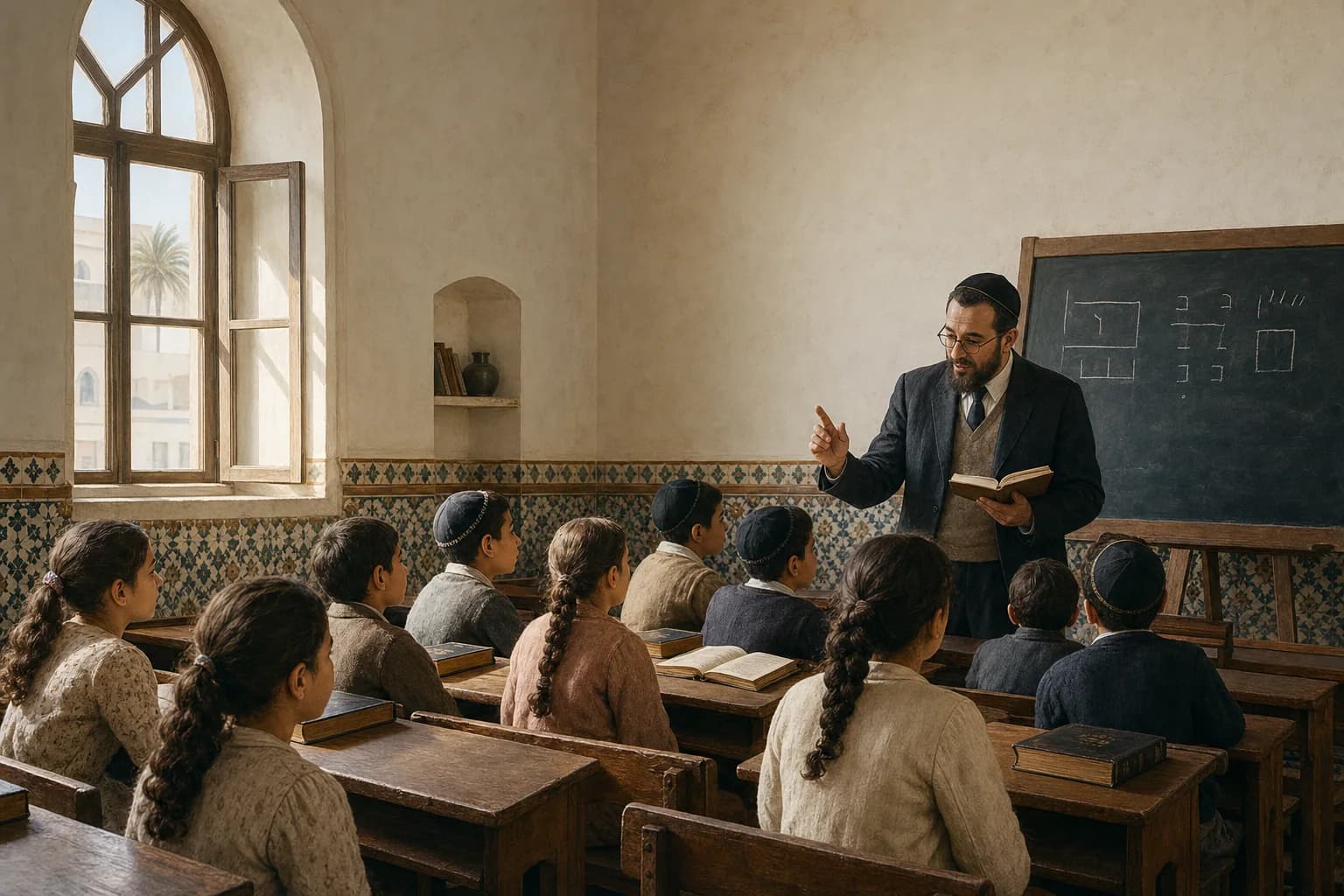
Ozar Hatorah in Morocco: The Complete History of Neve Shalom and Its Legacy
Discover the fact-checked history of Ozar Hatorah in Morocco, from its Casablanca schools and Neve Shalom to its lasting educational legacy.
Read Article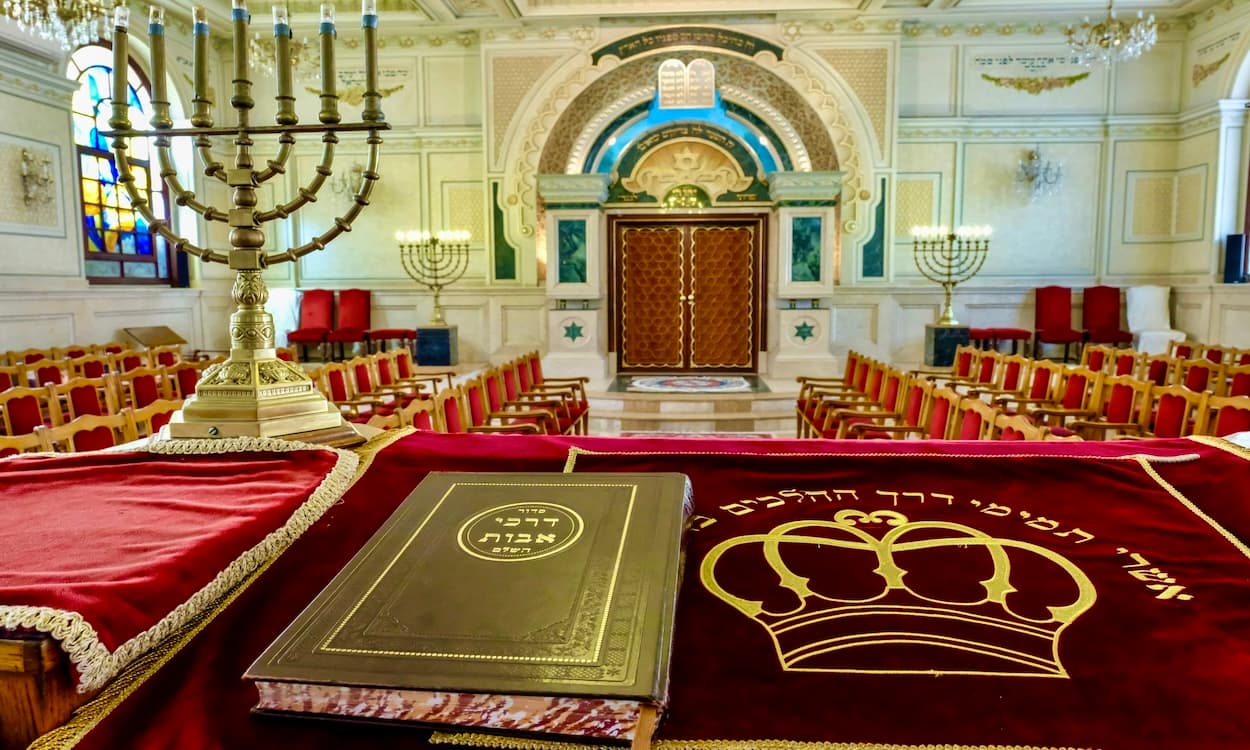
Jewish Heritage in Casablanca: Museum, Synagogues & Modern Community Life
Casablanca is home to the only Jewish museum in the Arab world, magnificent synagogues, and Morocco's largest remaining Jewish community. Discover the vibrant Jewish heritage of Morocco's economic capital.
Read Article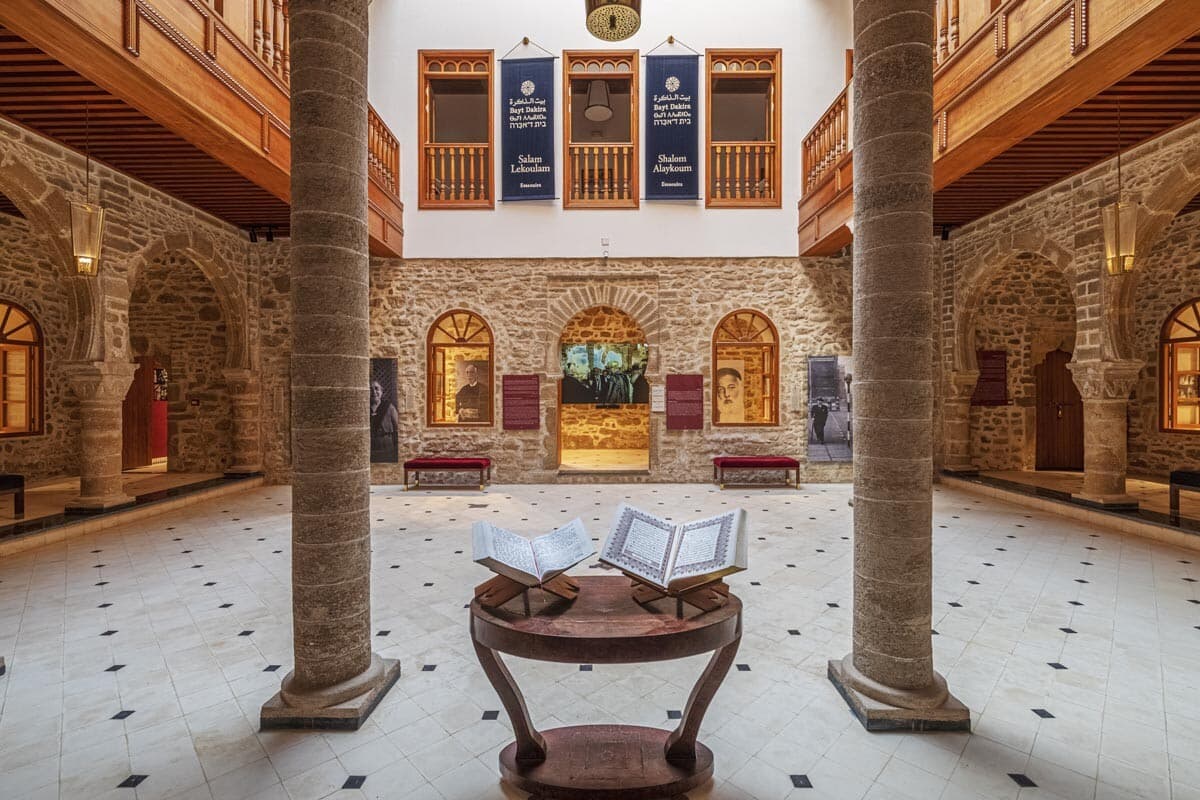
Essaouira's Jewish Story: From Slat Attia to Bayt Dakira Museum
Essaouira's Jewish heritage is experiencing a remarkable renaissance. Explore the Slat Attia synagogue, the Bayt Dakira museum, and the legacy of Jewish-Muslim coexistence on the Atlantic coast.
Read Article